Thinking about buying a home? A mortgage loan eligibility calculator can be your first step toward financial clarity and confidence. This powerful tool helps you estimate how much you can borrow, based on your income, debts, and credit profile—all in just minutes.
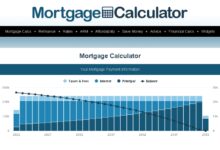
What Is a Mortgage Loan Eligibility Calculator?

A mortgage loan eligibility calculator is an online financial tool designed to estimate the maximum loan amount a borrower may qualify for based on their financial profile. It’s a crucial first step before applying for a mortgage, helping users avoid surprises during the formal application process.
How It Works: The Basic Mechanics
These calculators use a combination of inputs such as monthly income, existing debts, down payment, credit score, and interest rates to determine how much a lender might be willing to offer. By analyzing debt-to-income (DTI) ratios and loan-to-value (LTV) metrics, the tool simulates what banks evaluate during underwriting.
- Input your gross monthly income
- List all recurring monthly debts (credit cards, car loans, etc.)
- Enter estimated down payment and property value
- Provide your credit score range
The calculator then applies standard lending formulas to estimate your borrowing capacity. For example, most lenders prefer a DTI ratio below 43%, though some programs allow higher thresholds.
Types of Mortgage Eligibility Calculators
Not all calculators are created equal. Some are generic, while others are tailored to specific loan types like FHA, VA, USDA, or conventional loans. Advanced versions even integrate local property taxes and insurance estimates for greater accuracy.
- Basic calculators: Offer quick estimates using minimal inputs.
- Lender-specific tools: Provided by banks or mortgage companies, often linked to pre-approval systems.
- Government-backed loan calculators: Designed for FHA, VA, or USDA eligibility, factoring in unique program rules.
For instance, the NerdWallet mortgage calculator includes options for PMI, HOA fees, and tax deductions, making it more comprehensive than basic versions.
“Using a mortgage loan eligibility calculator early in the homebuying process can save you months of frustration and help you set realistic expectations.” — Financial Advisor, Sarah Lin, CFP
Why Use a Mortgage Loan Eligibility Calculator?
Understanding your borrowing power before house hunting is not just smart—it’s essential. A mortgage loan eligibility calculator empowers you with data-driven insights that guide your decisions.
Prevents Overextending Financially
One of the biggest risks homebuyers face is falling in love with a home they can’t afford. A mortgage loan eligibility calculator helps set realistic price ranges by showing what lenders are likely to approve, not just what you *wish* you could afford.
- Reduces risk of loan denial due to high DTI
- Helps avoid stretching budgets too thin
- Encourages disciplined financial planning
According to a 2023 report by the Consumer Financial Protection Bureau (CFPB), nearly 30% of mortgage applications are denied, often due to unmanageable debt levels or inaccurate income reporting. Using a calculator upfront can help avoid these pitfalls.
Saves Time and Streamlines the Process
Instead of applying to multiple lenders and waiting weeks for responses, a mortgage loan eligibility calculator gives instant feedback. This allows you to adjust your financial strategy—like paying down debt or increasing savings—before engaging with lenders.
- Instant results in under 2 minutes
- Enables quick scenario testing (e.g., “What if I pay off my credit card?”)
- Facilitates faster pre-approval when ready
Many real estate agents now recommend clients use a mortgage loan eligibility calculator before scheduling viewings. It ensures buyers are serious and financially prepared, making the process smoother for everyone involved.
Key Factors That Influence Your Mortgage Eligibility
Your eligibility isn’t just about income—it’s a blend of several financial metrics. Understanding these factors helps you optimize your profile before applying.
Debt-to-Income Ratio (DTI)
DTI is one of the most critical factors lenders examine. It’s calculated by dividing your total monthly debt payments by your gross monthly income. Most lenders prefer a DTI below 43%, though some allow up to 50% for qualified borrowers.
- Front-end DTI: Housing costs only (mortgage, taxes, insurance)
- Back-end DTI: All monthly debts including housing
- Lower DTI = higher eligibility and better rates
For example, if you earn $6,000/month and have $2,000 in monthly debt payments, your DTI is 33%—well within acceptable limits. A mortgage loan eligibility calculator automatically computes this to show how it impacts your borrowing power.
Credit Score and History
Your credit score directly affects both eligibility and interest rates. Most conventional loans require a minimum FICO score of 620, while FHA loans accept scores as low as 580 with a 3.5% down payment.
- 760+ = best interest rates
- 680–759 = competitive rates
- Below 620 = limited options, higher costs
Even small improvements in your score can significantly boost your eligibility. For instance, raising your score from 650 to 700 could increase your loan amount by $20,000 or more, depending on other factors. Tools like AnnualCreditReport.com let you check your credit for free weekly, helping you identify errors or areas for improvement.
Down Payment and Loan-to-Value (LTV)
The size of your down payment affects both eligibility and loan terms. Larger down payments reduce the lender’s risk, often leading to better rates and no private mortgage insurance (PMI).
- 20% down = no PMI on conventional loans
- 3.5% down = minimum for FHA (with 580+ credit score)
- 0% down = possible with VA or USDA loans for eligible borrowers
A mortgage loan eligibility calculator adjusts your maximum loan amount based on your down payment. For example, on a $300,000 home, a $60,000 down payment reduces the loan to $240,000, lowering monthly payments and increasing approval odds.
How to Use a Mortgage Loan Eligibility Calculator Effectively
Using the tool is simple, but using it *effectively* requires attention to detail and realistic inputs.
Step-by-Step Guide to Input Accuracy
To get the most accurate results, ensure your data reflects your true financial situation. Here’s how:
- Use gross income: Include salary, bonuses, commissions, and rental income (if documented).
- List all debts: Credit cards, student loans, car payments, child support, etc.
- Be honest about credit score: Use your actual FICO score, not an estimate.
- Estimate closing costs: Typically 2–5% of the loan amount.
Many users make the mistake of underestimating debts or overestimating income. This leads to inflated eligibility estimates and potential disappointment later. A reliable mortgage loan eligibility calculator will prompt you for all necessary fields to minimize errors.
Testing Multiple Scenarios
One of the greatest advantages of using a mortgage loan eligibility calculator is the ability to test different financial scenarios. Want to know how paying off a credit card affects your loan amount? Try it.
- Scenario 1: Current financial status
- Scenario 2: After paying off $5,000 in credit card debt
- Scenario 3: With a 10% down payment instead of 5%
This “what-if” analysis helps you identify actionable steps to improve eligibility. For example, reducing your DTI from 45% to 38% could qualify you for a $50,000 higher loan amount. Websites like Bankrate offer side-by-side comparison tools for this purpose.
“The best way to increase your mortgage eligibility isn’t to earn more—it’s to owe less.” — Mortgage Broker, James Reed
Common Mistakes When Using a Mortgage Loan Eligibility Calculator
Even with the best tools, users often make errors that skew results.
Overestimating Income or Underestimating Expenses
Some borrowers include irregular income (like occasional bonuses) without proof, while others forget to account for monthly subscriptions, insurance, or maintenance costs. This leads to overly optimistic eligibility estimates.
- Solution: Use only verifiable, consistent income
- Solution: Track all monthly outflows for 3 months to get accurate averages
Lenders require documentation for income, so unreported or inconsistent earnings won’t count. A mortgage loan eligibility calculator can’t account for undocumented income, so honesty is crucial.
Ignoring Credit Report Errors
Up to 34% of credit reports contain errors, according to a Federal Trade Commission study. These can lower your score and reduce eligibility.
- Check all three bureaus: Equifax, Experian, TransUnion
- Dispute inaccuracies immediately
- Wait 30–45 days for corrections to reflect
Even a single erroneous late payment can drop your score by 50+ points. Always verify your credit before relying on a mortgage loan eligibility calculator.
Top 5 Online Mortgage Loan Eligibility Calculators in 2024
Not all calculators are equal. Here are five of the most accurate and user-friendly tools available today.
NerdWallet Mortgage Calculator
NerdWallet offers a comprehensive mortgage loan eligibility calculator that includes PMI, property taxes, and HOA fees. It also compares current interest rates from multiple lenders.
- Pros: Detailed breakdown, rate comparisons, mobile-friendly
- Cons: Requires email for full lender quotes
- Link: nerdwallet.com/mortgages
It’s especially useful for first-time buyers who need education alongside calculation.
Bankrate’s Mortgage Qualifier Tool
Bankrate’s tool goes beyond basic eligibility by integrating credit score impact and affordability assessments.
- Pros: Tests multiple loan types, includes affordability tips
- Cons: Ads can be distracting
- Link: bankrate.com/mortgages
It also provides personalized recommendations based on your financial profile.
Zillow’s Affordability Calculator
Zillow combines home search with financial tools, making it easy to see what you can afford in your desired area.
- Pros: Integrated with property listings, visual maps
- Cons: Less detailed on debt analysis
- Link: zillow.com/mortgage-calculator
Great for visual learners and those exploring neighborhoods.
How Lenders Evaluate Eligibility vs. Calculator Estimates
While a mortgage loan eligibility calculator provides a strong estimate, it’s not a guarantee. Lenders conduct deeper reviews during underwriting.
Differences Between Pre-Qualification and Pre-Approval
Many confuse these terms, but they’re not the same:
- Pre-qualification: Based on self-reported data, often using a calculator. Non-binding.
- Pre-approval: Verified by a lender with credit checks and document review. Stronger indicator of approval.
A mortgage loan eligibility calculator typically gives a pre-qualification estimate. To move to pre-approval, you’ll need to submit W-2s, pay stubs, bank statements, and authorize a credit pull.
Underwriting: The Final Gatekeeper
Even after pre-approval, underwriters examine your application in depth. They verify employment, asset reserves, and property appraisal. Some are denied at this stage due to discrepancies or market changes.
- Common red flags: Job changes, new debt, low appraisal
- Tip: Avoid major financial moves during the process
According to the Mortgage Bankers Association, about 10% of pre-approved loans are denied in underwriting. A calculator can’t predict these nuances, so always prepare for contingencies.
Improving Your Eligibility: Actionable Steps
If your calculator result is lower than expected, don’t panic. There are proven ways to boost your eligibility.
Reduce Debt and Improve DTI
Paying down high-interest debt is one of the fastest ways to improve eligibility. Focus on credit cards and personal loans.
- Use the debt snowball or avalanche method
- Consider balance transfer cards with 0% intro APR
- Avoid new credit applications during the process
For example, paying off a $7,000 credit card balance could reduce your DTI by 5–7%, significantly increasing your mortgage loan eligibility calculator result.
Boost Your Credit Score
Simple actions can raise your score in weeks:
- Pay all bills on time
- Keep credit utilization below 30%
- Become an authorized user on a well-managed account
According to FICO, payment history accounts for 35% of your score, so consistency is key. Even one late payment can have a lasting impact.
Save for a Larger Down Payment
More down payment = less risk for lenders = better terms. Consider:
- Automating monthly savings
- Using windfalls (tax refunds, bonuses)
- Exploring down payment assistance programs
Many states offer grants or low-interest loans for first-time buyers. A mortgage loan eligibility calculator can show how each extra $10,000 in savings increases your borrowing power or reduces monthly payments.
What is a mortgage loan eligibility calculator?
A mortgage loan eligibility calculator is an online tool that estimates how much you can borrow for a home loan based on your income, debts, credit score, and down payment. It helps you understand your financial readiness before applying.
How accurate are mortgage eligibility calculators?
They are highly accurate for estimates but not guarantees. Results depend on the accuracy of your inputs and don’t replace formal lender approval. However, they use the same formulas lenders do, making them reliable for planning.
Can I get a mortgage with a low credit score?
Yes, but options are limited. FHA loans allow scores as low as 580 with a 3.5% down payment. VA and USDA loans may accept lower scores for eligible borrowers. A mortgage loan eligibility calculator can show how improving your score increases your loan amount.
Does the calculator include taxes and insurance?
Some do, especially advanced tools like NerdWallet or Bankrate. Basic calculators may only focus on principal and interest. Always check if property taxes, PMI, and homeowners insurance are included for a complete picture.
How can I increase my mortgage eligibility?
You can improve eligibility by reducing debt, increasing your credit score, saving for a larger down payment, and avoiding new debt. Using a mortgage loan eligibility calculator to test scenarios helps identify the most effective steps.
Understanding your mortgage loan eligibility is a critical step in the homebuying journey. With the right tools and knowledge, you can make informed decisions, avoid financial pitfalls, and increase your chances of approval. A mortgage loan eligibility calculator is more than just a number generator—it’s a strategic planning tool that empowers you to take control of your financial future. Whether you’re a first-time buyer or upgrading your home, leveraging this tool can save time, reduce stress, and lead to better loan terms. Start today, explore your options, and turn your homeownership dream into a well-planned reality.
Recommended for you 👇
Further Reading:
